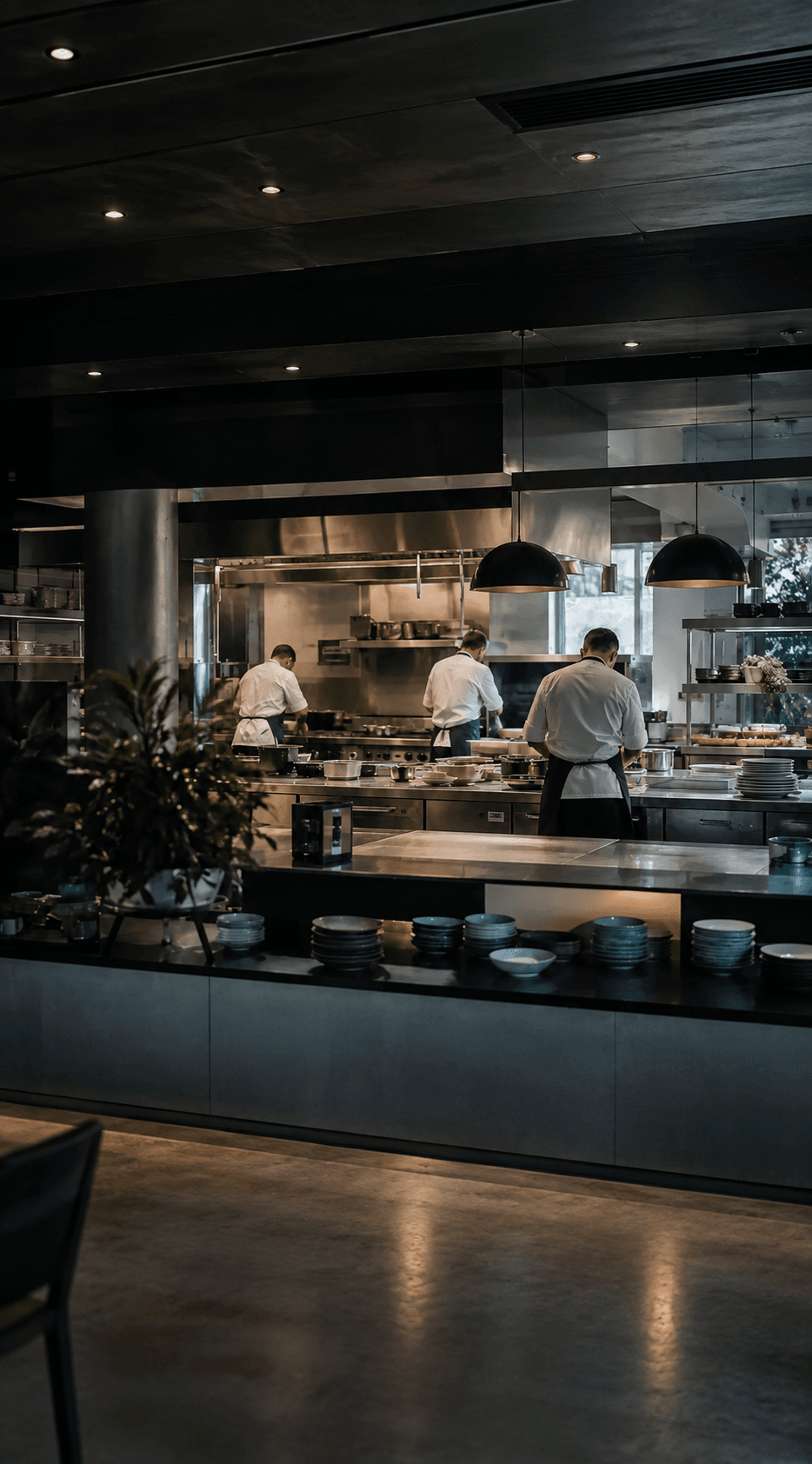






























Chef preparing food in an Australian commercial kitchen — hospitality

Hospitality Insurance Australia

Hospitality Insurance Australia

Running a hospitality business comes with risks that can be very different from those faced by other businesses.

Restaurants, cafes, bars, takeaways, catering businesses, pubs, hotels and other hospitality operators rely on their premises, staff, equipment, stock, suppliers and customers every day.

Hospitality Insurance Australia can help protect your business against the financial impact of unexpected events, from customer injuries and kitchen fires to equipment breakdowns, property damage, theft and business interruption.

At Ideal Insurance Brokers, we help hospitality businesses review their risks and arrange insurance designed around the way their business actually operates.

Speak With a Broker

Whether you are opening a new venue, taking over an established business or reviewing your insurance at renewal, the right cover should reflect your premises, turnover, equipment, cooking methods, staffing, stock and the services you provide.

Insurance Business 2025 Top BrokerageInsurance Business 2025 Fast Brokerage

Access across leading Australian insurers and underwriting agencies, including:

360 UnderwritingAG GuardAgile UnderwritingAIGAllianzATC InsuranceATLBerkley InsuranceBlue ZebraBrooklyn UnderwritingChubbClub MarineDUAL AustraliaGardGT InsuranceHMIAHollardIALInsuring AmbitionJUA UnderwritingMiramar UnderwritingMITTINTIPEN UnderwritingQBESURAVeroWoodina UnderwritingZurich
Chef preparing food in an Australian commercial kitchen — hospitality

Operational Exposures

Hospitality Insurance for Australian Businesses

Hospitality businesses can have several different exposures operating at the same time.

A restaurant may have a commercial kitchen, cooking equipment, refrigeration, valuable fit-out, food stock, employees, delivery operations and customers dining on the premises.

A cafe may have coffee machines, refrigeration, food preparation equipment, customer seating and takeaway operations.

A bar or hospitality venue may have liquor-related risks, late trading, entertainment, high customer numbers and valuable equipment.

A catering business may operate from a commercial kitchen while also transporting food and equipment to different locations.

This is why hospitality insurance should not simply be based on a standard business insurance package. Your policy needs to reflect how your business operates.

Explore hospitality cover types

220+

Underwriters

98%

Claims Success Rate

15–25%

Premium Savings

4.9

Google Review Rating

What Does It Cover?

What Does Hospitality Insurance Cover?

Tailored by Business Type

Hospitality Business Insurance for Different Types of Businesses

NSW Hospitality Cluster

Restaurant & Hospitality Insurance in NSW

NSW represents Australia's largest hospitality economy. From Sydney's commercial centers to regional dining hubs, your insurance must reflect local council mandates, foot traffic, and trading hours.

Operating Across Multiple Sites or Expanding in NSW?

Our brokers consolidate multi-venue operations under one policy with unified renewal dates and tailored underwriting.

Explore Restaurant Insurance

New Ventures

Hospitality Insurance for New Businesses

Why Cover Must Precede Opening Day

Opening a hospitality venue involves significant capital long before your first paying customer arrives. Most commercial landlords legally require Certificate of Currency for Public Liability before releasing premises keys.

Critical Timeline Exposures

Handover & Lease Signing: Landlord liability starts on day one.
Fit-Out & Installation: Equipment deliveries face transit, theft, and fire risk.
Commissioning: Testing gas appliances and coolrooms before launch.

Essential Venue Assets to Account For:

Lease Costs & Bond

Protecting upfront commercial commitments and bank guarantees.

Bespoke Venue Fit-Out

Custom dining joinery, flooring, feature lighting and architectural finishes.

Kitchen Cookline

Commercial ovens, fryers, griddles, extraction canopies and fire safety gear.

Coolrooms & Freezers

Walk-in refrigeration units and compressors vulnerable to power interruption.

Furniture & Seating

Custom counters, dining tables, bar stools and customer-area decor.

External Signage

Shopfront illumination, street signs, and branded architectural displays.

Opening Stock & Wine

Perishable food inventory, premium wines, spirits and dry storage supplies.

POS & Security Cameras

Cloud POS registers, payment terminals, CCTV networks and cabling.

Staff Team & Training

Onboarding front-of-house staff and kitchen crews ahead of service.

Launch & Promotion

Capital invested in brand development, menu creation and opening promotion.

Operational Growth

Hospitality Insurance for Established Businesses

Established businesses should never assume an existing policy still matches how they operate. Over a single trading year, menu pivots, staff growth, and new appliances alter your risk. A policy renewal is the vital time to audit your cover.

Revenue

Turnover Growth

Increased revenues directly affect the required Business Interruption indemnity limit and liability tiers.

Logistics

Delivery & Takeaway

Third-party couriers or in-house delivery vehicles require transport liability and motor cover.

Licensing

Alcohol & Late Trading

Serving alcohol, hosting entertainment, or late-night closing introduces liquor liability exposures.

Kitchen

Expanded Cookline

Adding deep fryers, char-grills, or wood-fired pizza ovens must be declared to prevent policy voidance.

Equipment

Upgraded Machinery

New espresso machines, combi-ovens, and walk-in cold rooms require updated breakdown replacement limits.

Inventory

Higher Stock Levels

Larger inventory reserves of meats, dairy, and premium liquor need higher food spoilage protection.

Premises

Footpath & Outdoor Dining

Council-approved outdoor seating changes your public liability boundaries and council indemnity clauses.

Headcount

Team Size Expansion

More front-of-house staff, kitchen hands, and casual employees require updated workers compensation.

Operations

Extended Trading Hours

Adding breakfast trade, late weekend dinners, or Sunday trading alters the venue risk profile.

Expansion

Secondary Locations

Expanding to a pop-up, catering prep kitchen, or second venue is most cost-effectively managed under a group program.

Annual Renewal Audit

Have Any of These 10 Factors Changed in Your Venue?

If your operations have expanded over the past 12 months, your sums insured and coverage limits should expand with you. Let Ideal Insurance Brokers review your policy ahead of renewal.

Risk Management

A Hospitality Insurance Review Could Identify Hidden Gaps

Insurance gaps are rarely obvious until an incident occurs.

A business may hold Public Liability Insurance but lack adequate Business Interruption cover to survive a mandatory closure.

Another business may have sufficient general contents cover but fail to properly specify high-value, specialised commercial kitchen appliances.

A restaurant may have doubled its turnover without updating its sums insured, leaving it vulnerable to co-insurance or underinsurance penalties.

Another venue may have introduced charcoal cooking, open flames or wood-fired ovens without properly notifying the insurer, invalidating fire-related claims.

These are precisely the types of critical vulnerabilities that a comprehensive broker review is designed to identify and resolve before disaster strikes.

Cost Factors

Hospitality Insurance Cost In Australia

  • Venue Type & Location

    CBD bars and entertainment venues face different foot traffic, property risks and local crime exposures compared to suburban family cafes or regional hotels.

  • Turnover & Staff Numbers

    Higher annual turnover and larger teams increase public liability exposure and require higher sums insured for business interruption indemnity.

  • Kitchen Equipment & Cooking Methods

    Deep fryers, char-grills, wood-fired ovens, gas extraction systems and open flames represent higher fire risk than cold-prep and sandwich operations.

  • Alcohol Sales & Trading Hours

    Serving alcohol, operating late into the evening, and hosting live entertainment introduce additional liquor liability and patron security considerations.

Why Ideal Insurance Brokers

Why Use an Insurance Broker for Hospitality Insurance?

Broker discussing hospitality risk and coverage options with venue owners
  1. 01

    Understanding How You Actually Operate

    We look beyond generic business classifications and ask practical questions about your kitchen equipment, cooking methods, trading hours, liquor service, and delivery channels.

  2. 02

    Broad Market Access (220+ Underwriters)

    Rather than offering a single insurer's standard package, we compare options across leading Australian insurers and specialized hospitality underwriting agencies.

  3. 03

    Eliminating Costly Gaps & Inefficiencies

    We ensure you are not paying for unnecessary policy extras while verifying that critical exposures like business interruption and equipment breakdown are properly protected.

  4. 04

    Dedicated Support at Claim Time

    If a fire, flood, breakdown or liability claim occurs, we act as your direct advocate, managing the insurer and fighting for your payout so you can focus on your business.

Speak With a Broker

Real-World Claim Analysis

Hospitality Insurance Claim Scenario: Kitchen Fire

Friday Dinner ServiceFull dining room & active orders

The Incident: Deep Fryer Oil Ignition & Extraction Flare-Up

During peak Friday dinner service, an oil flare-up in a deep fryer ignites, rapidly travelling into the exhaust canopy and ducting. Automatic fire suppression discharges, containing structural damage to the kitchen. However, extensive smoke, heat, and water damage force the restaurant to shut down for 6 weeks of repairs, cleaning, and health reinspection.

The Compounding Crisis: $0 Revenue, But $18,000/Week Fixed Costs

Physical repairs are only half the loss. While the doors remain closed, the restaurant earns zero revenue — yet commercial lease rent, staff payroll, refrigeration power, and supplier debts must still be paid on time.

How a Coordinated Hospitality Insurance Program Responds:

1. Property & Equipment

Rebuilds the Cookline

Covers replacement of destroyed fryers, exhaust hoods, melted electrical wiring, and thermal wall repairs so your kitchen meets strict commercial compliance again.

✓ Equipment Replacement Cost

2. Food & Stock Spoilage

Compensates Perishable Losses

Reimburses the cost of ruined coolroom meats, dairy, fresh produce, and premium wine damaged by smoke contamination or power cutoff during the shutdown.

✓ Full Stock Re-Ordering Capital

3. Business Interruption

The Ultimate Survival Lifeline

Pays lost gross operating profit and directly covers your ongoing fixed expenses — keeping rent, key staff salaries, and vendor contracts paid while closed.

✓ Prevents Involuntary Insolvency

Is Your Venue Protected for Mandatory Closures?

Without Business Interruption cover, 70% of hospitality venues never reopen after a major loss. Ensure your indemnity periods and sums insured are adequate.

Annual Audit

What Should a Hospitality Business Review at Renewal?

Before renewing your policy for another year, verify whether your venue's operations or asset values have shifted. If your business has grown, your coverage must grow with it.

Take time to review these key operational variables:

  • Annual turnover figures and gross profit forecasts
  • Business Interruption indemnity period (ensure 12–24 months is adequate)
  • Current commercial lease commitments and rent increases
  • Staff payroll and employee numbers
  • Replacement values for all commercial kitchen equipment
  • Dining room contents, custom furniture, and lighting fixtures
  • Customer area fit-out costs based on current trade labor rates
  • Average and peak seasonal stock holdings (food and alcohol)
  • Cooking appliances, exhaust cleaning schedules, and fire suppression
  • Liquor licensing terms, patron capacity, and trading hours
  • Delivery operations, vehicles, and packaging processes
  • Premises alterations, outdoor seating, or newly leased spaces
  • Recent incident reports, glass cracks, or near-miss claims
  • Any new revenue streams, catering services, or functions

Contact Ideal Insurance Brokers ahead of your renewal date to perform a thorough benchmarking review and keep your premiums competitive.

Frequently Asked Questions

The appropriate insurance depends on the business. Common covers can include Public Liability, Property and Contents, Business Interruption, Equipment Breakdown, Stock, Glass, Theft and Commercial Motor where applicable. View hospitality cover options

Yes. Hospitality businesses regularly have customers and other third parties entering their premises, creating potential injury and property damage exposures. Learn about Public Liability

Business Interruption can be particularly important for restaurants because they may have substantial ongoing costs and can lose revenue quickly if an insured event forces them to close. See Business Interruption details

Cover for kitchen equipment depends on the policy. Property and Equipment Breakdown insurance may provide different types of protection, so the equipment and risks should be reviewed individually. Commercial kitchen coverage

Some policies can provide cover for food spoilage resulting from specified insured events or equipment failures. The terms, conditions and limits need to be checked carefully. Food spoilage and stock

Businesses that sell or serve alcohol should disclose those activities when arranging insurance. The appropriate policy and any relevant exclusions or conditions should be reviewed with a broker. Liquor liability overview

Yes. However, delivery arrangements should be disclosed because the insurance requirements can depend on who performs deliveries and how vehicles are used.

The premium depends on the business's individual risk profile, including turnover, location, property values, equipment, cooking methods, alcohol sales, claims history and selected limits. View premium cost factors

Yes. A renewal is a good opportunity to check that the policy still reflects your current turnover, assets, equipment, operations and business interruption requirements.

Talk to Ideal Insurance Brokers About Hospitality Insurance

Your hospitality business is more than a building and a kitchen. It represents your investment, staff, equipment, reputation, customers and future income. The right insurance program should be built around the way your business actually operates. Whether you run a restaurant, cafe, bar, takeaway, catering business, hotel or another hospitality operation, Ideal Insurance Brokers can help review your risks and arrange tailored cover.

Speak With a Broker
Speak With a Broker